
As part of a greater cultural revitalization effort, SC’IȺNEW̱ is working to bring nəxʷsƛ̕ay̕əmúcən (the Klallam language) back to the community through classes and online learning resources.
nəxʷsƛ̕ay̕əmúcən is one of the ancestral languages of the Klallam. It is part of the Salish language family, related to Northern Straits dialects, and has several dialects of its own including Lower Elwha Klallam, Beecher Bay Klallam, Jamestown S’Klallam and Little Boston S’Klallam.
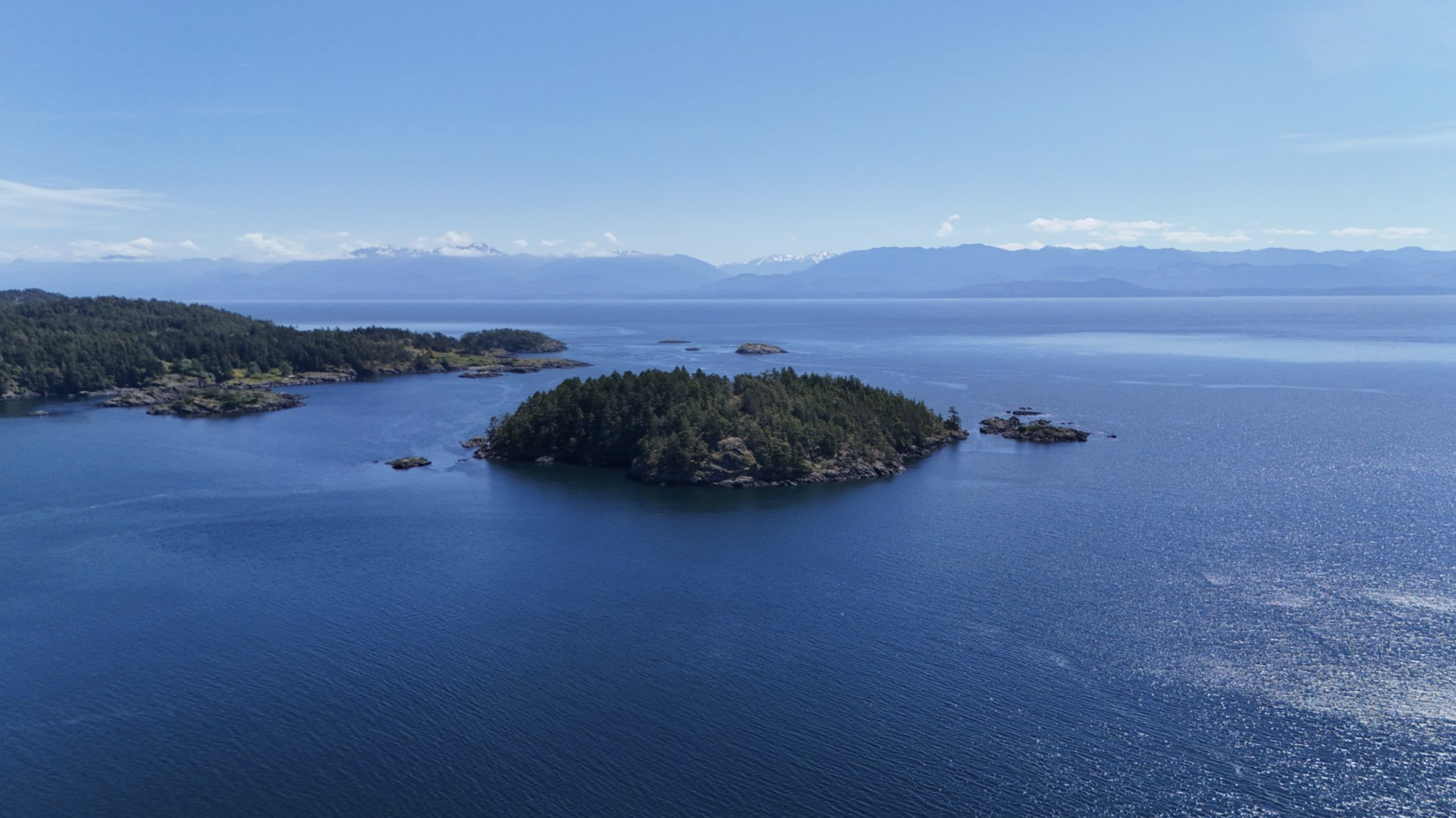
Prior to contact, the Klallam moved freely through traditional territory spanning from the northern Olympic Peninsula to southern Vancouver ƛ̕čás (Island), sharing nəxʷsƛ̕ay̕əmúcən and Klallam culture. In the mid-1800’s, a group of the Klallam from Port Angeles established a village site at SC’IȺNEW̱ and started families with those from Songhees, Sooke, and Kekayaken. These connections between SC’IȺNEW̱ and the Klallam – alongside connections to SENĆOŦEN- and Hul’q’umi’num’- speaking relatives – played a key role in SC’IȺNEW̱’s history and development. In fact, the word SC’IȺNEW̱ is a nəxʷsƛ̕ay̕əmúcən word meaning “the place of the big fish.”
Colonial contact strained the connection between the Klallam on either side of the Juan de Fuca Strait – dividing the Klallam between two countries and four tribes, including the Jamestown S’Klallam, Lower Elwha Klallam, the Port Gamble S’Klallam, and SC’IȺNEW̱ – and led to the suppression of the Klallam’s connecting language and culture. In 1978, 100 people spoke nəxʷsƛ̕ay̕əmúcən as a first language. As of 1990, only eight first-language nəxʷsƛ̕ay̕əmúcən speakers remained. tiʔə ʔáynəkʷ (Today), there are none.
Nonetheless, connections between SC’IȺNEW̱ and Klallam relatives persist and language revitalization efforts are underway on both sides of the Strait.
Evelyn Vandermaas, the Director of the SC’IȺNEW̱ Language Association, compiled a resource guide documenting these ongoing connections. All Klallam are Coast Salish, for example, and share nəxʷsƛ̕ay̕əmúcən as an ancestral language. In addition to ancestral and linguistic connections, the Klallam on both sides of the Strait share a present commitment to the revitalization of nəxʷsƛ̕ay̕əmúcən and Klallam culture more broadly. The Lower Elwha Klallam, for example, launched the Klallam Language Program in 1992, and, tiʔə ʔáynəkʷ (today), nəxʷsƛ̕ay̕əmúcən classes are available at schools on the Lower Elwha Klallam’s traditional territory, including Port Angeles High School and Peninsula College.
SC’IȺNEW̱’s efforts to revitalize nəxʷsƛ̕ay̕əmúcən are led by Vandermaas. Alongside her team, Vandermaas is working diligently to restore nəxʷsƛ̕ay̕əmúcən’s status as a widely spoken ancestral language through in person classes and the curation of digital learning resources. Also contributing to this work is SC’IȺNEW̱ Councillor Traci-Lynn Pateman, who recently received a mentor and apprentice training grant, and is working to become an approved nəxʷsƛ̕ay̕əmúcən instructor.
SC’IȺNEW̱ encourages all interested community members to take advantage of the many available nəxʷsƛ̕ay̕əmúcən-learning resources, including live classes, online resources, and published books. Learning opportunities include:
- In person nəxʷsƛ̕ay̕əmúcən classes with Vandermaas every sčiʔəkʷɬnát (Monday) and cəŋənát (Tuesday) from 3-5 PM.
- In person Elders and Friends nəxʷsƛ̕ay̕əmúcən classes with Vandermaas every second sčiʔəkʷɬnát (Monday) from 9-11 AM.
- Video lessons and more available on the SC’IȺNEW̱ Language Association website.
- The Klallam Dictionary by linguist Timothy Montler, a work created in collaboration with 38 of the last-remaining speakers of nəxʷsƛ̕ay̕əmúcən as a first language.
Every effort to learn nəxʷsƛ̕ay̕əmúcən – no matter how small – contributes to the restoration and reclamation of SC’IȺNEW̱’s traditional culture for future generations.
Want to learn more about SC’IȺNEW̱’s efforts to revitalize nəxʷsƛ̕ay̕əmúcən and opportunities to get involved? Subscribe to SC’IȺNEW̱’s newsletter to receive regular news and updates.